
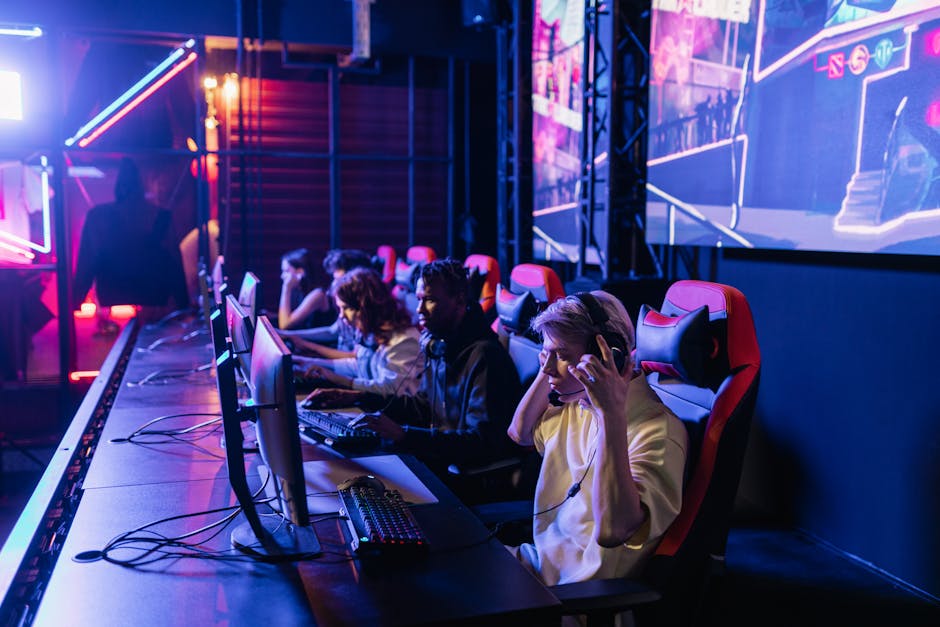
The Art of Nurturing Thriving Game Communities
In the vast and ever-evolving world of gaming, community management has become a crucial aspect of creating successful and engaging experiences for players. Building a thriving game community goes beyond just having a group of people who play the same game—it’s about fostering connections, encouraging creativity, and providing a space where gamers can feel at home.
Effective game community management involves creating a welcoming environment where players can interact, share experiences, and form friendships. It’s about understanding the needs and preferences of your community members, listening to their feedback, and continuously striving to improve their gaming experience.
One key aspect of successful community management is communication. Regular updates, announcements, and engaging content keep players informed and excited about what’s happening in the game world. Whether it’s through social media, forums, or in-game events, effective communication builds trust and loyalty among community members.
Another important element of game community management is fostering a sense of belonging. By organizing tournaments, contests, and community events, you can bring players together and create a strong sense of camaraderie. Encouraging positive interactions, celebrating achievements, and acknowledging the contributions of community members can go a long way in building a supportive and inclusive gaming community.
Moreover, effective community management involves dealing with challenges such as conflicts, toxic behavior, and maintaining a healthy community culture. By establishing clear rules, moderating discussions, and addressing issues promptly and fairly, you can create a safe and enjoyable environment for all players.
Ultimately, the art of nurturing thriving game communities lies in the ability to connect with players on a personal level, to understand their passions and motivations, and to create a space where they can truly be themselves. By prioritizing community engagement, communication, and inclusivity, you can build a vibrant and enduring game community that enhances the overall gaming experience for everyone involved.